
An Oldie but Goodie
The Scapular Retraction Test article is a great base for knowledge of 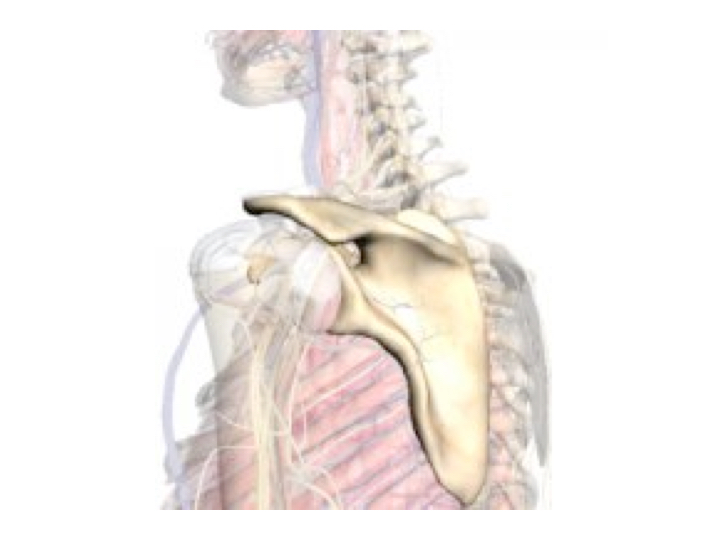 how to approach an overhead athlete. Even though this article is from 2006, we still feel it provides powerful knowledge and validation of the importance of scapular stabilization for all shoulder patients.
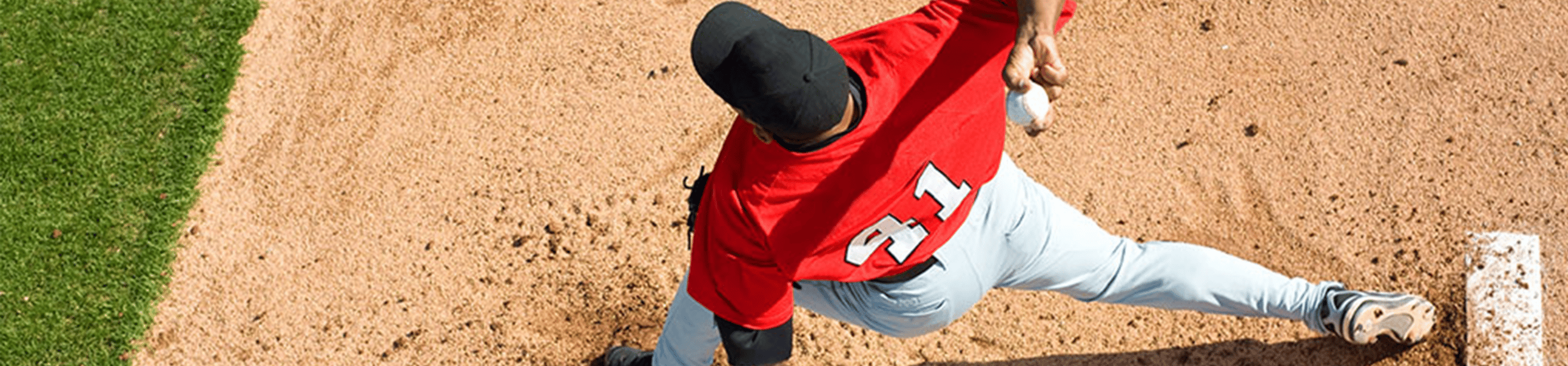
The positive findings show that the scapular position has a significant effect on rotator cuff strength. At AKPT we see numerous patients and athletes with persistent shoulder pain from overhead activity despite physical therapy. These patients and athletes are often times not able to perform at their optimal levels or even return to play due to pain.
So why does the shoulder pain persist despite traditional physical therapy attempts?
When we get these athletes and patients in the clinic, the most common component we see lacking in their previous treatments is understanding of proper scapular stabilization. The rehabilitation process for the shoulder needs to begin with the proper scapular retraining prior to any other strength work. The article stresses that the rotator cuff will only be able to achieve a level of strength in proportion to the the amount of scapular stabilization present.
As this article mentions, the rotator cuff originates off the scapula and if the scapula is not positioned correctly on the thoracic cage, the cuff muscles will not be at their optimal length to produce the most efficient forces.
Here are some other great articles that emphasize this concept:
- The Role of the Scapula in Athletic Shoulder Function W. Ben Kibler,* MD 1998
- The Role of the Scapula Russell M. Paine, PT1
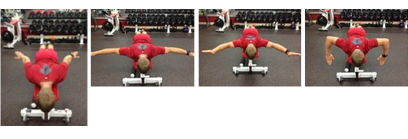
So what is proper scapular stabilization? We believe this concept is not truly well understood. Let just take a moment and look at the way the scapular muscles truly function. The scapular muscle are small static stabilizers. The scapula muscles are NOT meant to PRODUCE motion but to CONTROL motion in the shoulder. So why do we “strengthen” the scapular muscles in a fashion to produce motion? We often use the good old standard “W, T, Y” scapular strength positions in prone. Most of these positions are good positions but it is the exercise type that we need to change. We need to train these muscles in an endurance eccentric fashion to allow them to function naturally.
The long arm movements in these positions have been shown to have high EMG activity in the rotator cuff muscles. But the scapula and scapular position are not isolated. Therefore these exercises are really strengthening the rotator cuff and not the scapula.
The concept of posture and scapular neuromuscular re-education before rotator cuff strengthening should be a standard of care for our rehabilitation protocols. We can make huge changes in shoulder pain and stability with simply addressing the dyskinesis of the scapula.