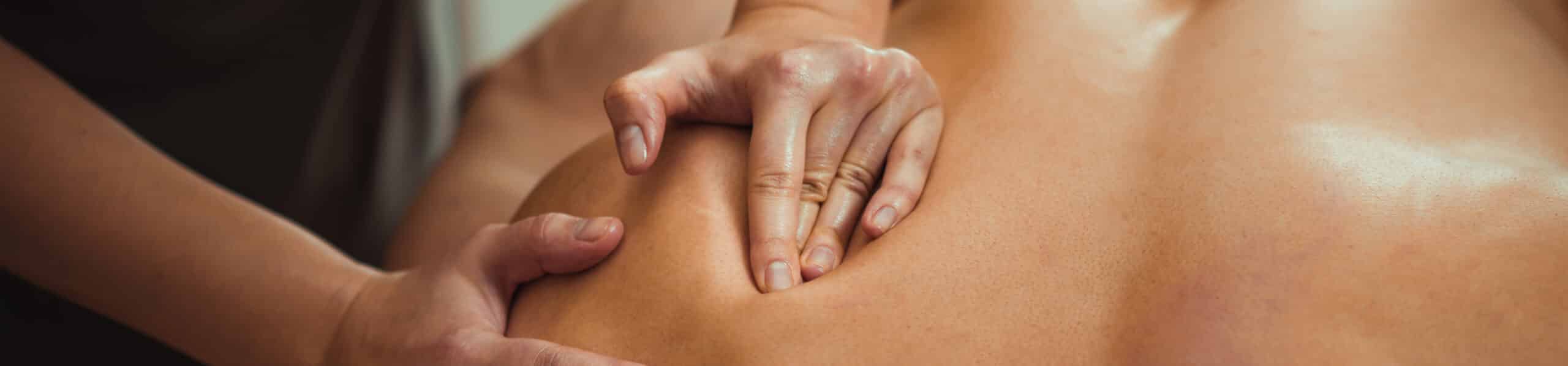

Massage therapy is a type of therapy that includes manual manipulation of the skin, muscles, tendons, and ligaments. The types of massage therapy range from a light to heavier and deeper pressures. The most common massage techniques are: Swedish, Deep Tissue, Sports Massage, and Trigger Point.
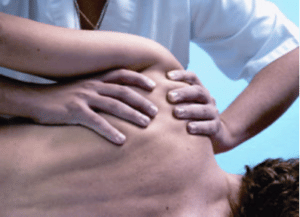 The benefits of Massage Therapy include increasing relaxation and reducing stress, reducing muscle soreness, improving circulation, lowering heart rate and blood pressure, and even improving your immune functions.
Commonly massage is thought to just simply relax muscles, however massage can also help relieve neck and lower back pain, tension headaches, nerve pain, sport injury pain, and body ache due to day to day workloads. It is also used as an highly effective method to help relieve and help maintain chronic pain.
How Massage Therapy can complement your Physical Therapy!
Whether you are recovering from an injury or trying to reduce pain and inflammation, Massage after a Physical Therapy session may be just the thing you need.
 A Physical Therapists’ main focus is to restore mobility and flexibility to allow your joints and muscles to function optimally. Your physical therapists often perform manual techniques to include soft tissue work but do not have the time to dedicate to massage. Your PT will also educate you on how to manage your pain by teaching proper body posture, demonstrating strengthening exercises and stretching techniques.
A Massage Therapist can help take your Physical Therapy to the next level. Toxins can build up from exercise, muscular breakdown and long standing trigger points. These toxins can cause stiffness, tight muscles, and referred pain in the body. Massage techniques can help free these toxins from the muscles after your physical therapy. . A Massage Therapist’s main focus during a session is to perform dedicated soft tissue work to relieve muscles of the toxins, thereby addressing the stress, pain and tension, whether it is localized to a certain area or the whole body. This is an amazing adjunct to physical therapy.
Consider Massage Therapy as the next step to aid in your recovery process.